
 AED AED
 $ USD
$ USD
Description
12140M68K50 Piston Ring Compatibility
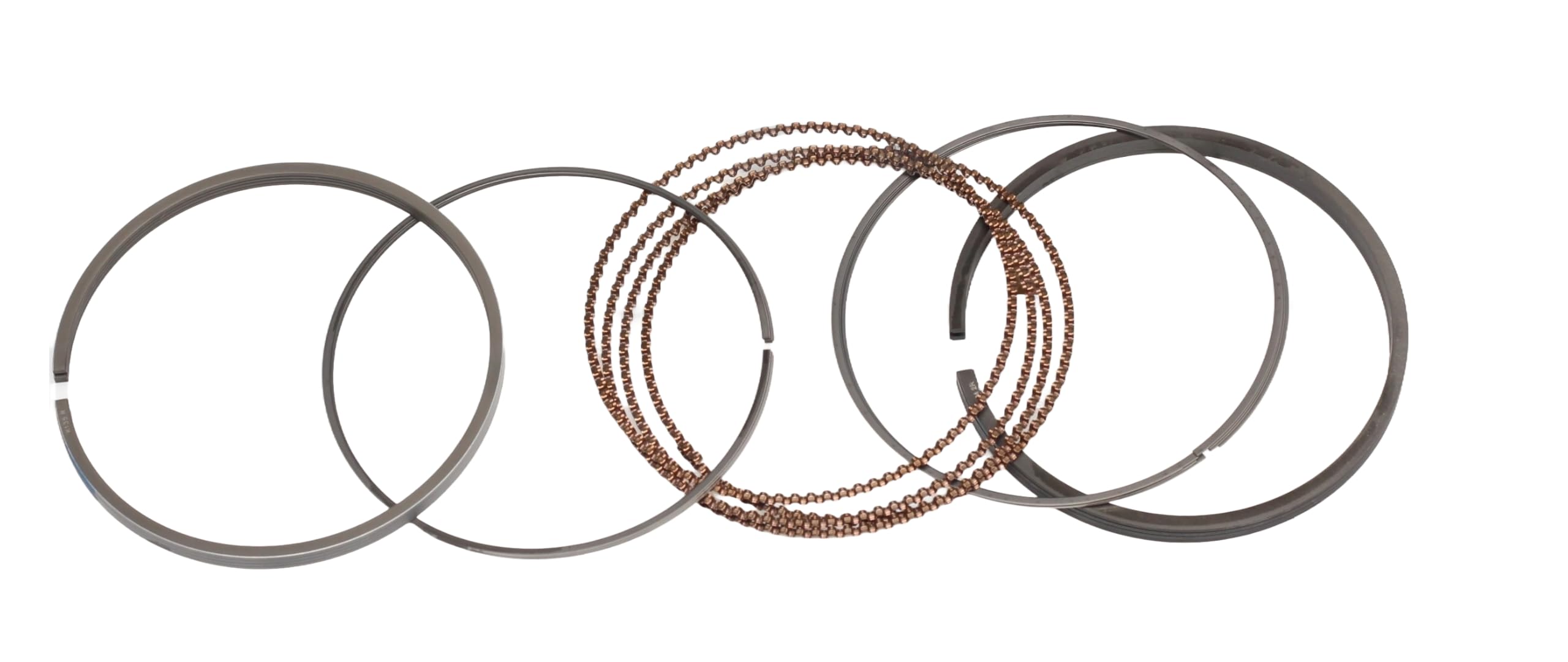
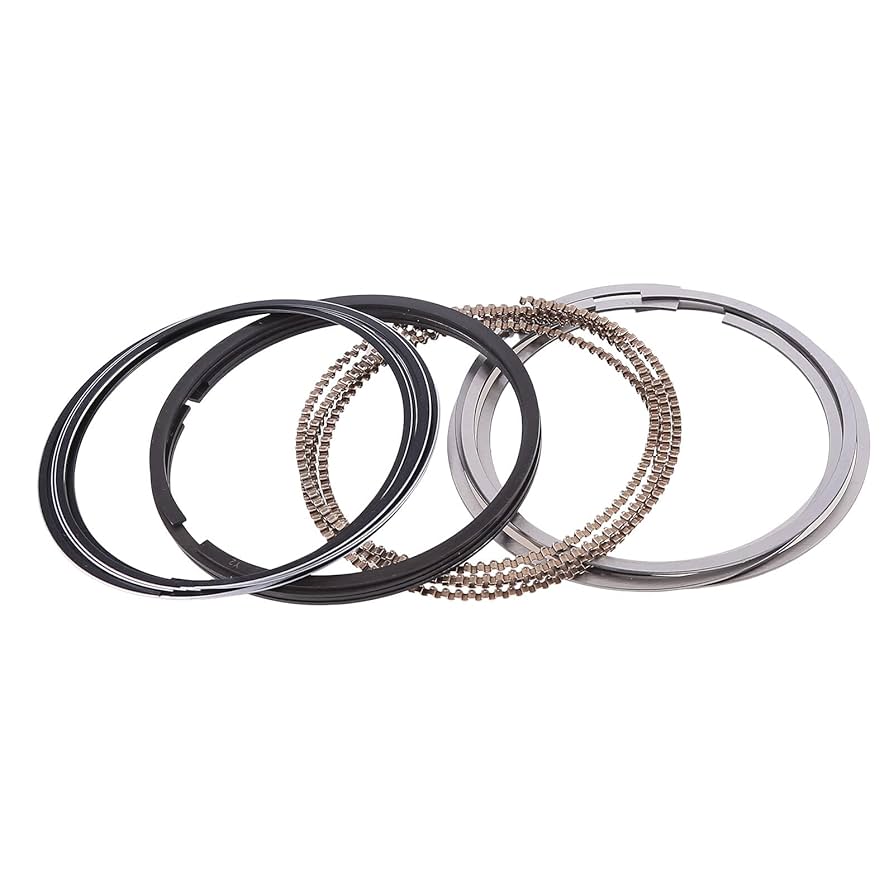
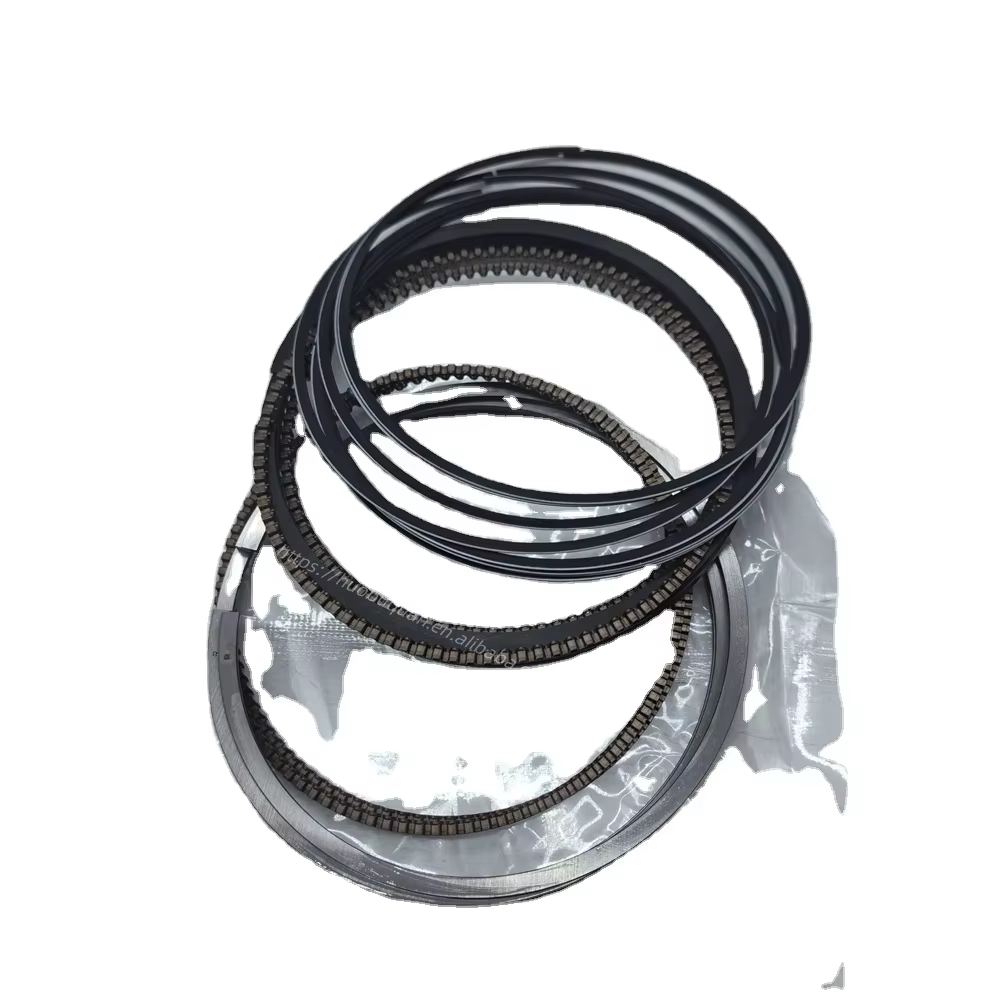
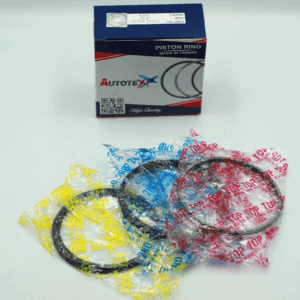
12140M68K50 Piston Ring Suzuki | 1.0L K10B & 1.4L K14B Engines | 2008–2021 Series
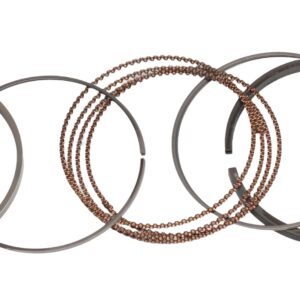
Premium 12140M68K50 PISTON RING specifically engineered for Suzuki’s high-efficiency K-Series architecture. Manufactured with advanced wear-resistant coatings, these rings are optimized for the thermal requirements of 1.0L K10 and 1.4L powerplants. Explore our internal engine parts catalog or browse our Suzuki K-Series platform parts category for your rebuild.
Suzuki Compact Range (1.0L)
- Model Years: 2008–2021 Models
- Part Code: 12140M68K50
- Application: Standard Bore Piston Ring Set
Suzuki Utility Range (1.4L)
- Model Years: 2012–2021 Series
- Testing: Sealing Integrity Verified
- Feature: Optimized Oil Scraping & OE Bore Fit
- Installation: Precision Engine Rebuild Component
Part Number Reference: 12140M68K50 (Piston Ring) — Check related items in our engine internal collection.
Piston ring configurations for Suzuki K-Series engines can vary between regional emission standards and specific bore sizes (STD vs Oversize). Verify your VIN to ensure the ring thickness and end gap match your engine rebuild exactly.
Note: Images are for illustration. Visit our FAQ page or review our shipping policy for support.
Reviews
There are no reviews yet.