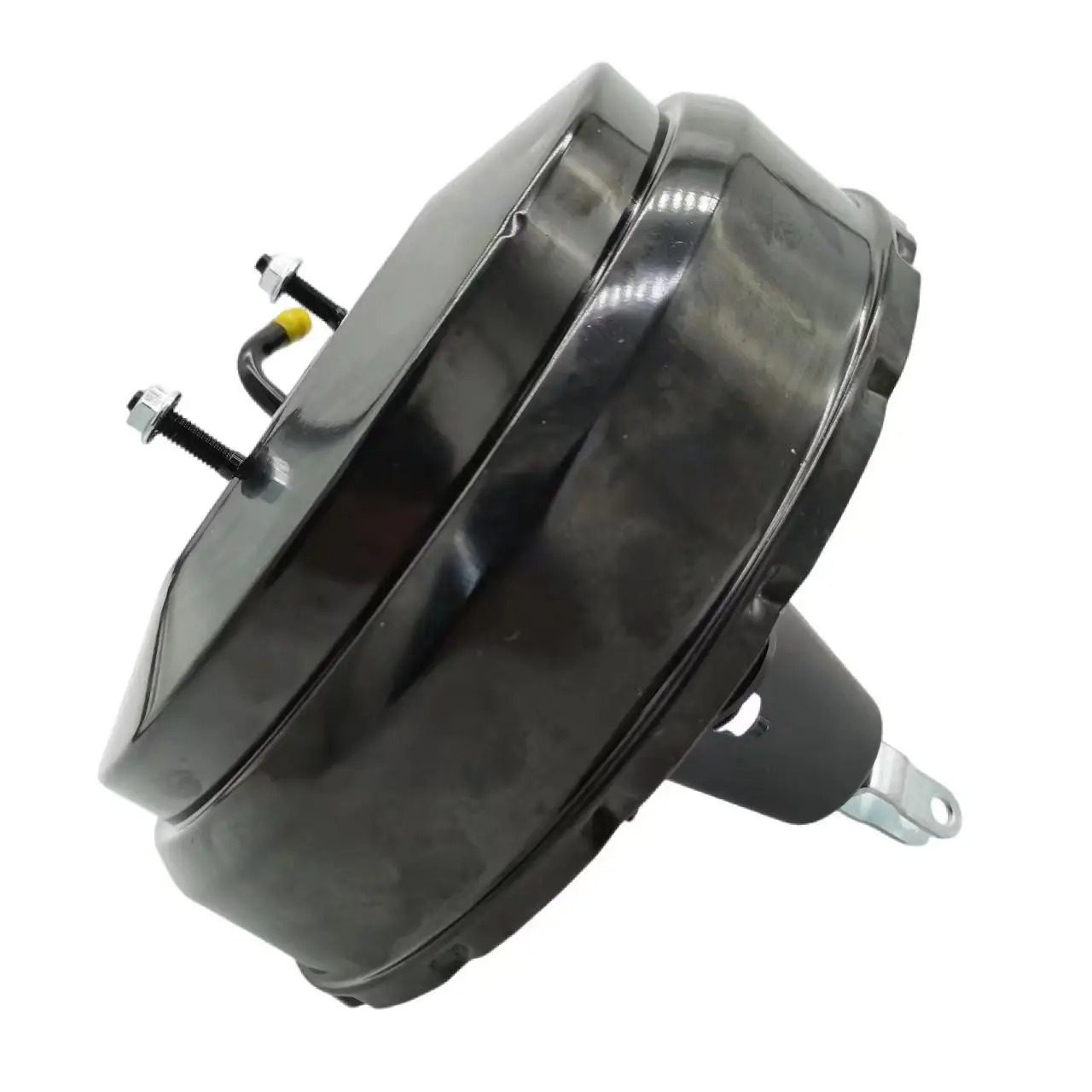
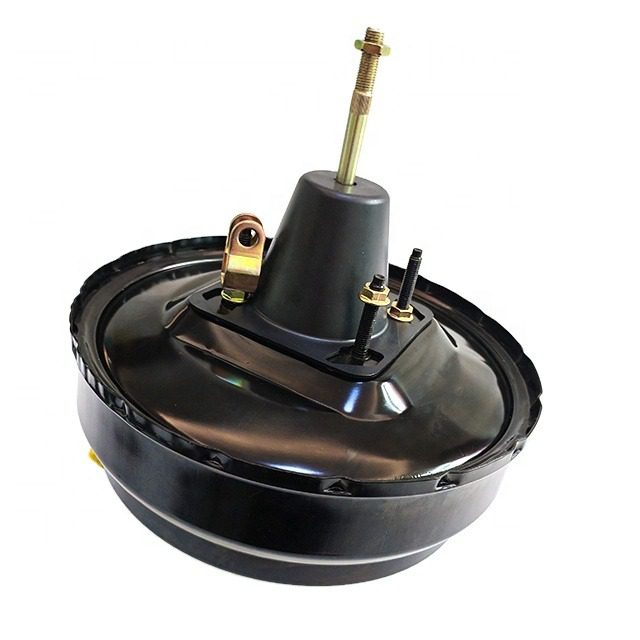
What are the primary symptoms that my 59110-4H000 BRAKE BOOSTER is failing?
Common indicators of failure include a noticeably "hard" or "stiff" brake pedal that requires excessive force to depress, an audible hissing noise coming from the engine bay when the pedal is pressed, or a noticeable drop in engine idle quality if the internal diaphragm develops a leak.
Is it safe to drive with a faulty brake booster?
We strongly advise against driving with a malfunctioning brake booster. While the vehicle can technically still stop, the lack of power assist significantly increases the physical effort required to engage the brakes and extends your total stopping distance, which can be dangerous in emergency traffic conditions.
Does the 59110-4H000 BRAKE BOOSTER require regular maintenance?
This component is a sealed assembly and does not require routine maintenance like brake pads or fluid. However, you should inspect the vacuum supply hose and check valves during your regular brake system service to ensure they remain airtight and free from cracks.
Can I install this part myself?
While some advanced DIYers may be comfortable replacing this assembly, it is part of your vehicle's primary safety system. We recommend professional installation to ensure the booster is seated correctly, the master cylinder is aligned properly, and the vacuum seal is perfectly airtight.
Why is a VIN verification necessary for this specific booster?
Brake booster designs can vary based on specific vehicle configurations, such as ABS versus non-ABS systems, engine type, and production date. Using your 17-digit VIN ensures you receive the exact version required for your specific vehicle’s hydraulic configuration.

 AED AED
 $ USD
$ USD




Reviews
There are no reviews yet.