 AED AED
 $ USD
$ USD
Description
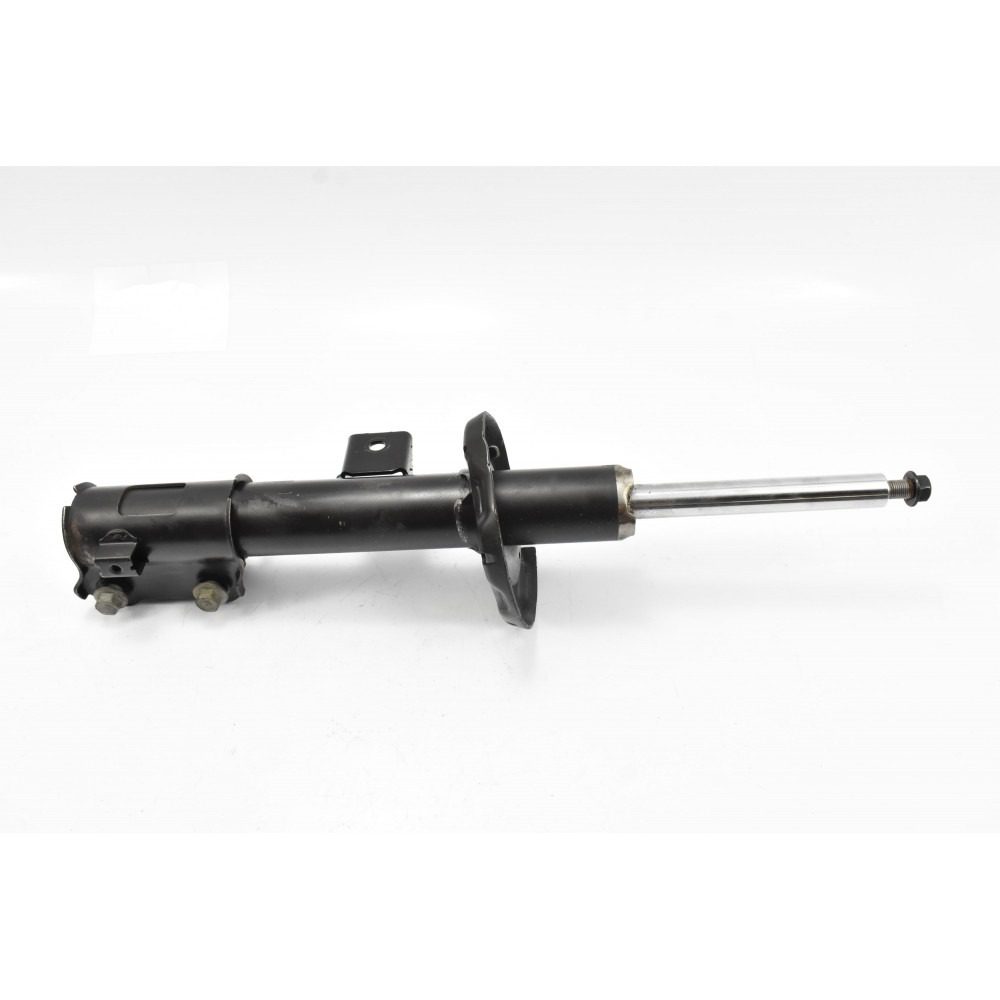
54651-N7000 SHOCK ABSORBER
Genuine OEM Suspension Component
54651-N7000 SHOCK ABSORBER Technical Specifications
- Part Number: 54651-N7000
- Component Type: Genuine OEM SHOCK ABSORBER
- Application: Precision-engineered for Hyundai & Kia suspension systems
- Benefit: Restores factory-spec damping and handling
Performance Benefits of the 54651-N7000 SHOCK ABSORBER
Installing a genuine 54651-N7000 SHOCK ABSORBER ensures your vehicle maintains peak performance. This SHOCK ABSORBER is designed to reduce road noise, mitigate body roll, and improve braking safety by keeping your tires firmly planted. If your current SHOCK ABSORBER is leaking or causing excessive bouncing, replacing it with this OEM unit will restore the smooth driving dynamics intended by the manufacturer.
Maintaining Your SHOCK ABSORBER and Suspension
Proper maintenance of your SHOCK ABSORBER is vital for long-term vehicle health. For deeper technical insights, you can review how a quality SHOCK ABSORBER works, or consult this SHOCK ABSORBER replacement diagnostic guide to ensure your suspension system is serviced correctly by professional standards.
Verify SHOCK ABSORBER Compatibility
Ensure the SHOCK ABSORBER fits your specific vehicle by sharing your VIN with our experts.
Reviews
There are no reviews yet.