
 AED AED
 $ USD
$ USD


Description
27301-04000 Ignition Coil Compatibility
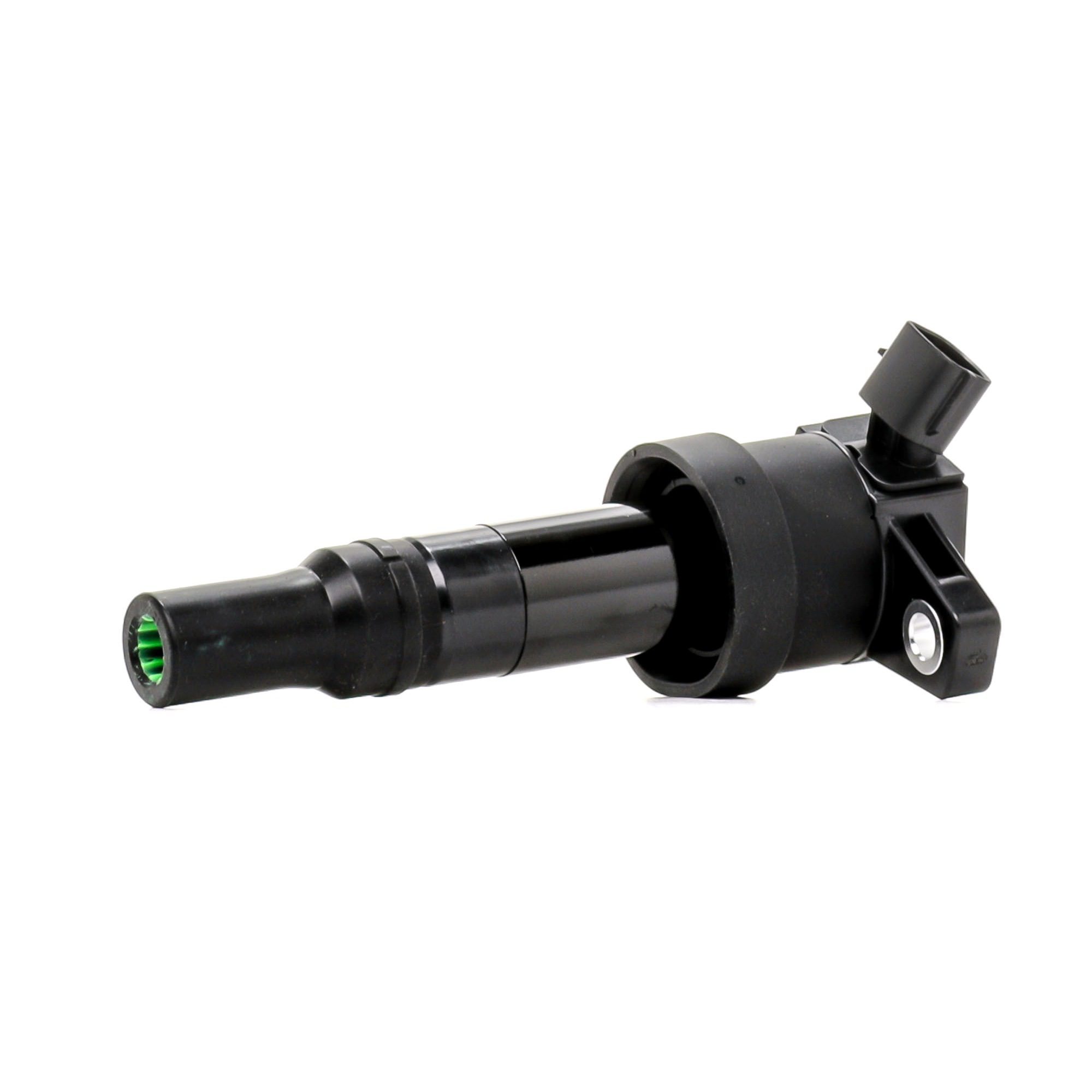
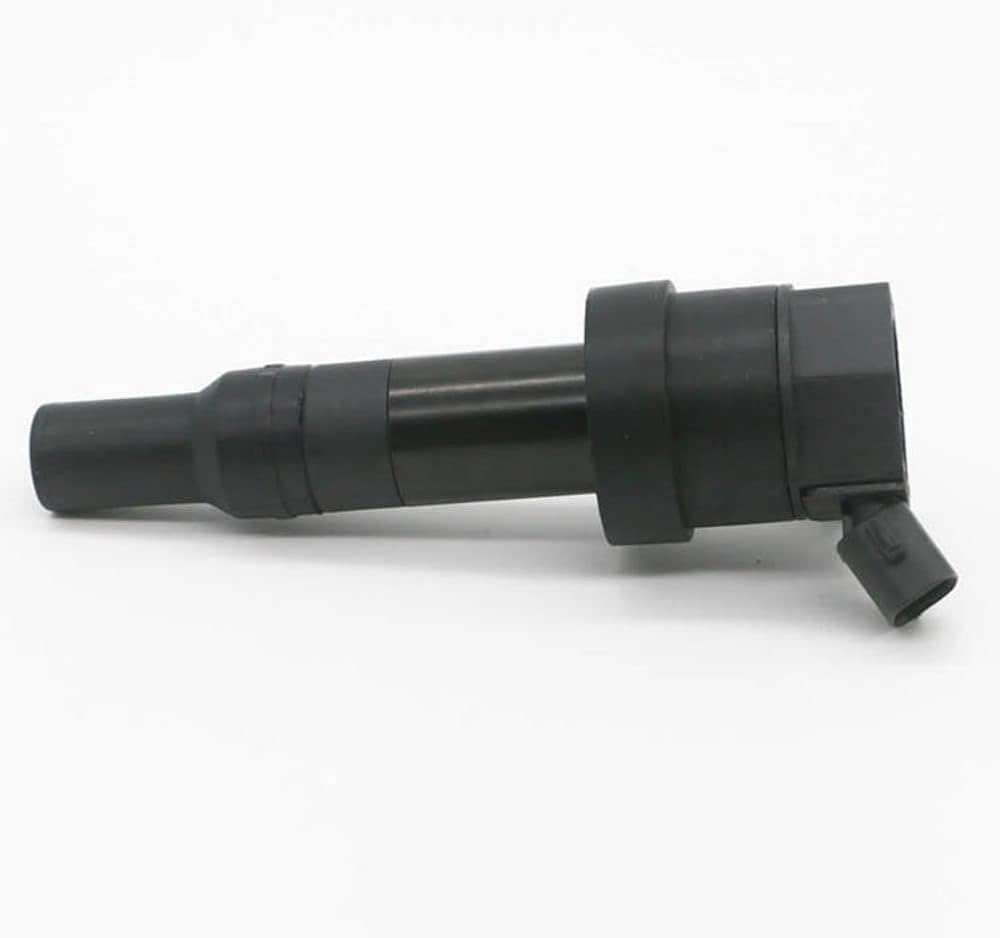
27301-04000 Ignition Coil Hyundai & Kia Compact Series (1.0L, 1.2L, 1.25L)
The 27301-04000 IGNITION COIL is a premium component engineered for the Kappa and Epsilon small-displacement architectures. This compact, high-efficiency coil is designed to provide stable spark energy for 3-cylinder and 4-cylinder city cars, ensuring smooth idling and optimal fuel economy. Browse our ignition component catalog or explore our selection of Kappa engine parts to complete your 27301-04000 replacement.
27301-04000: Hyundai Models
- i10 (PA/IA/BA): 2011–2017+ (1.0L)
- Grand i10: 2013–2019
- Eon: 2011–2017
- HB20: 2012–2018
27301-04000: Kia Models
- Picanto (TA): 2011–2017
- Morning: 2011–2015
- Rio III: Select 1.2L / 1.25L
- Layout: 3/4 Cylinder Inline
Interchangeable Part Numbers: 27301-04000, 27301-04100
Compact engines often have variations based on whether they are 3-cylinder or 4-cylinder builds. Please verify fitment for your IGNITION COIL using your VIN.
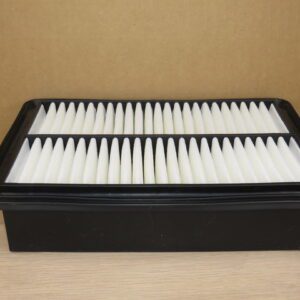
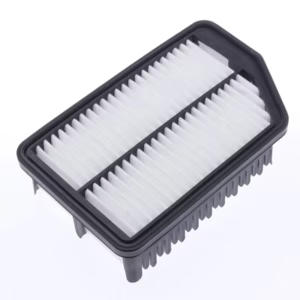
Note: IGNITION COIL images are for illustration. Visit our FAQ page for support.
Reviews
There are no reviews yet.