
 AED AED
 $ USD
$ USD

Description
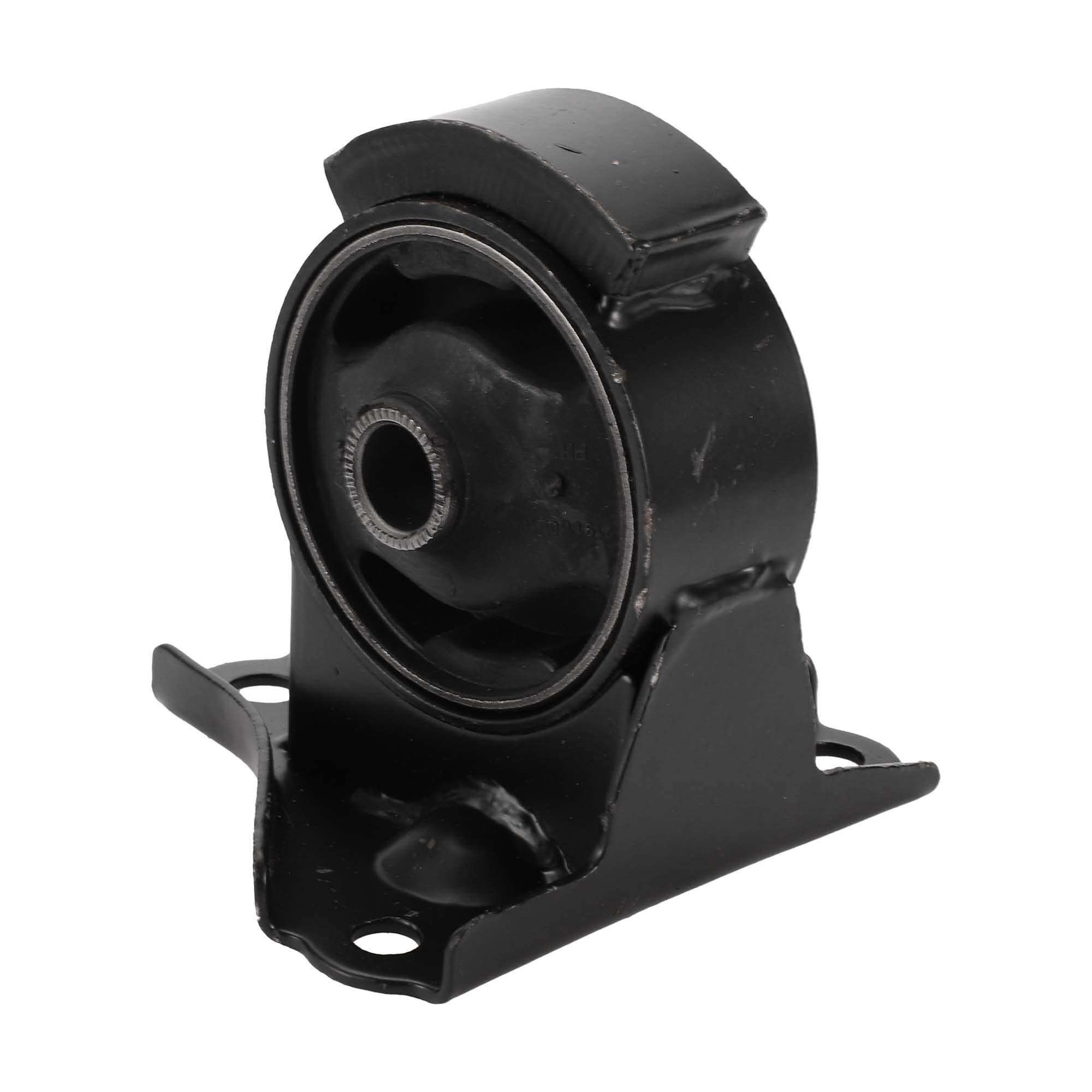
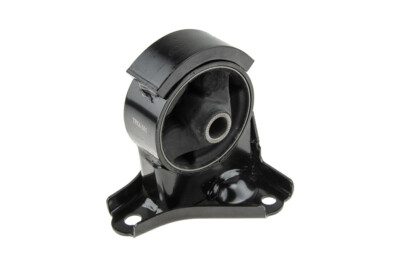
21910-2E002 Bracket Assy Engine Compatibility
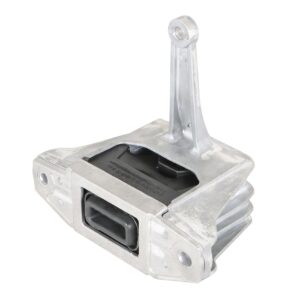
21910-2E002 Bracket Assy Engine Hyundai Tucson | ix35 | Kia Sportage | 2004–2015 SUV Series
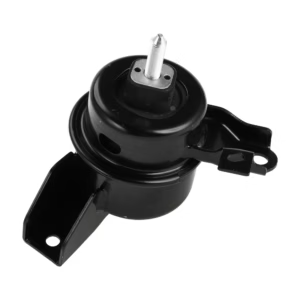
Premium 21910-2E002 BRACKET ASSY ENGINE specifically engineered for Hyundai-Kia’s compact SUV architecture. Constructed with high-strength materials, this part is optimized for the harmonics of 2.0L (Petrol/CRDi Diesel) and 2.7L powerplants. Explore our engine mount and bracket catalog or browse our Hyundai-Kia SUV platform parts category for your replacement needs.
Hyundai Range
- Model Years: 2004–2015 Range
- Part Code: 21910-2E002
- Application: Engine Bracket Assembly
Kia Sportage (JE / KM)
- Platforms: Tucson, ix35, Sportage
- Testing: Dynamic Load Stress Verified
- Feature: Harmonic Dampening & OE Alignment
- Installation: Direct Factory Replacement
Part Number Reference: 21910-2E002 (Bracket Assy Engine) — Check related items in our engine mount collection.
Mounting configurations for 2WD and 4WD SUV models can vary based on regional production dates and fuel types (Petrol vs Diesel). Verify your VIN to ensure the mounting geometry and dampening rate match your vehicle exactly.
Note: Images are for illustration. Visit our FAQ page or review our shipping policy for support.
Reviews
There are no reviews yet.